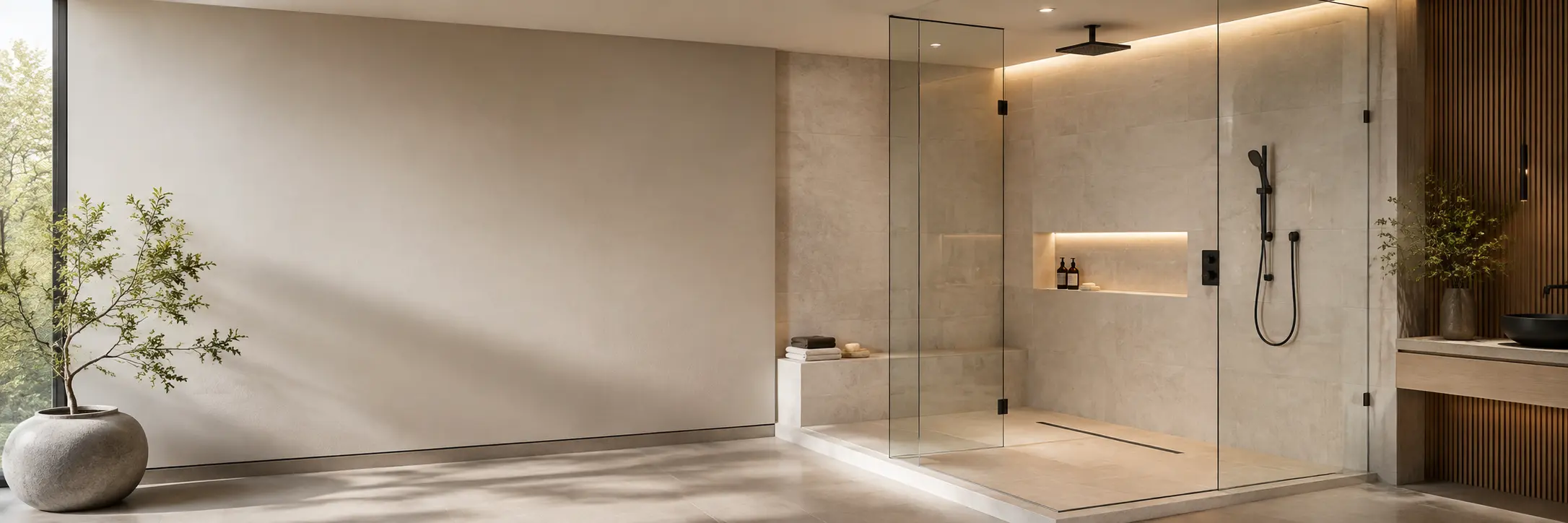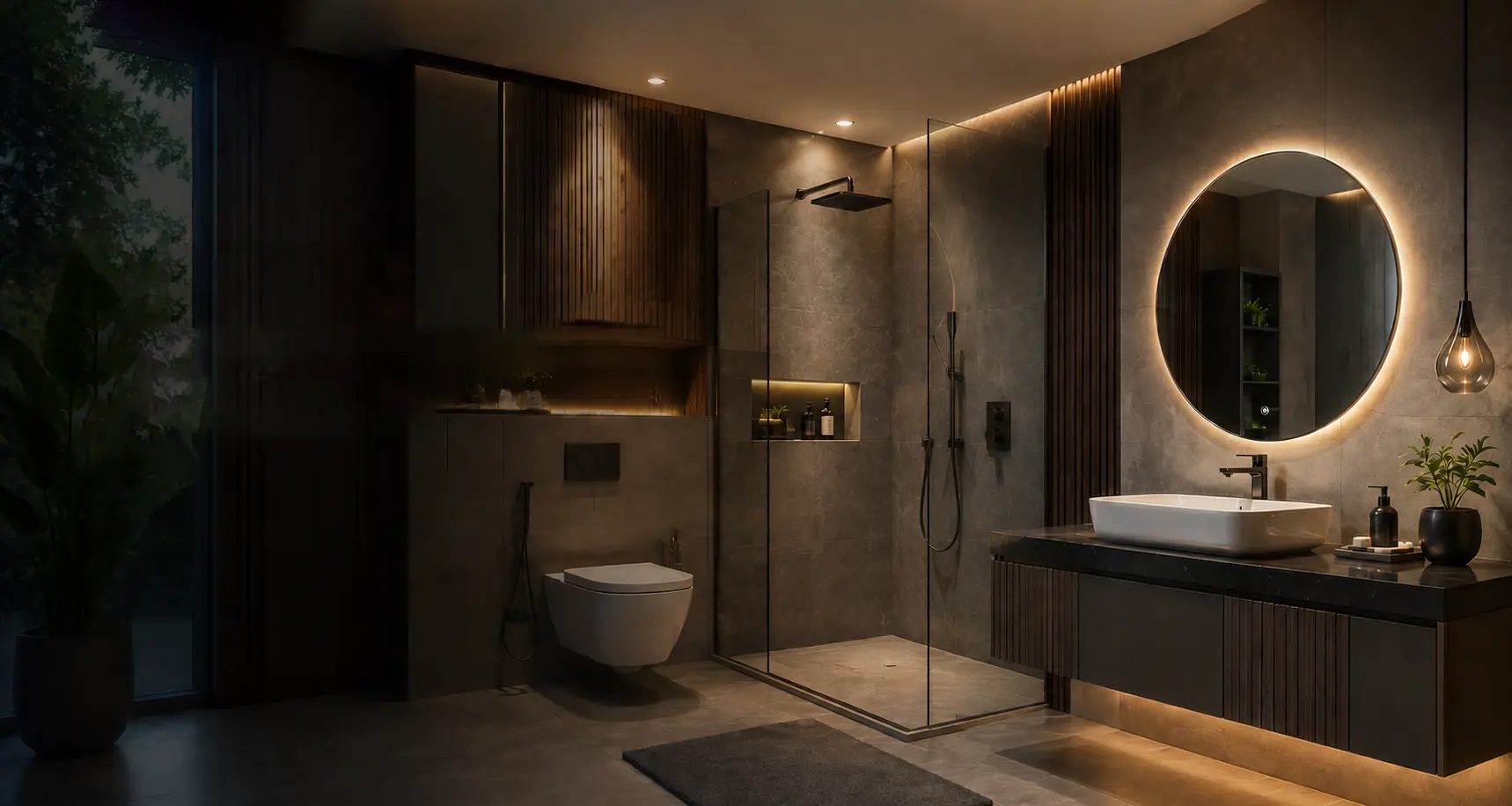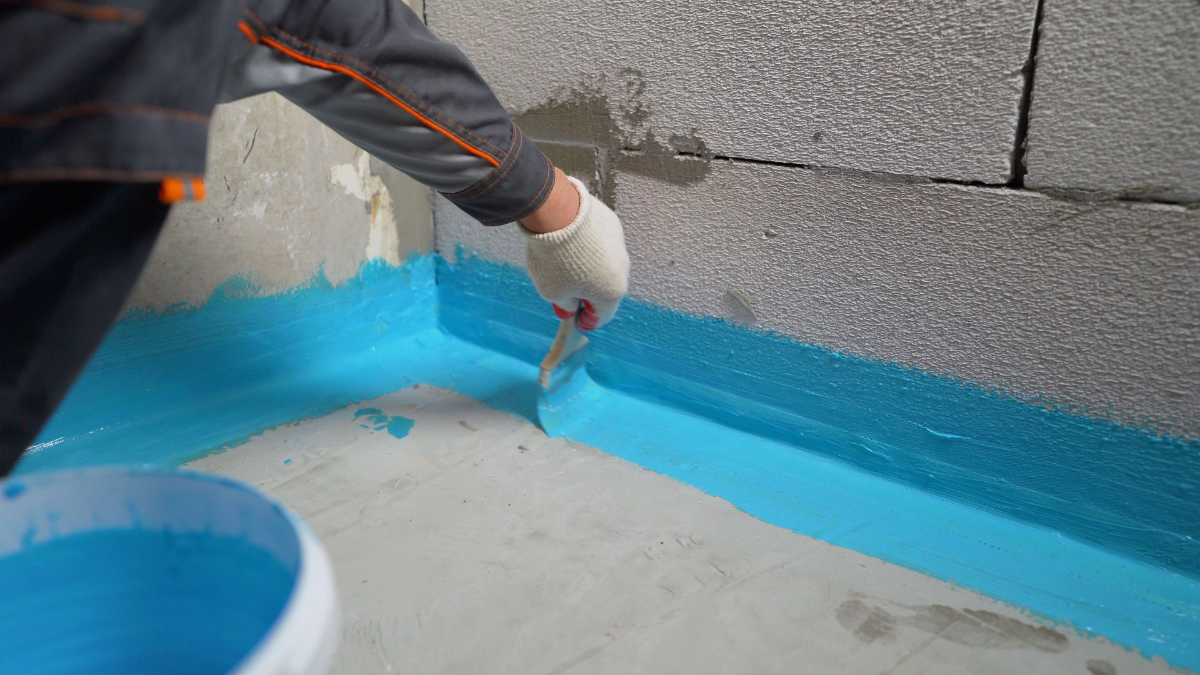
A bathroom can look perfect on the outside — clean tiles, neat finishes, and modern Bathroom fittings. But what truly decides whether it stays problem-free for years is something hidden underneath: waterproofing.
Many homeowners in Palakkad and Pattambi only realise its importance after facing issues like damp walls, peeling paint, or water leakage. In most cases, the problem is not tiles or fittings — it is insufficient or poorly applied Bathroom waterproofing coats.
So the real question is:
how many Bathroom waterproofing coats are actually needed to avoid these problems completely?
Let’s look at this in a simple, easy-to-understand way.
What is Bathroom Waterproofing?
Bathroom waterproofing is a protective process where a special coating is applied to floors and walls to stop water from seeping into the structure.
Bathrooms are exposed to:
- Constant water usage
- Steam and humidity
- Cleaning chemicals
Without proper Bathroom waterproofing coats, water slowly penetrates through surfaces and causes:
- Tile loosening
- Wall dampness
- Bad odour
- Mold growth
Why Waterproofing is Essential for Bathrooms in Palakkad and Pattambi
Kerala’s climate plays a major role here. High humidity and seasonal rains increase moisture levels inside homes.
Even if you install:
- Premium floor and wall tile
- Quality Bathroom fittings in Kerala
- Good sanitary ware and bath fittings
Without proper Bathroom waterproofing coats, these materials will not perform well long term.
Experts at Floor Collections often see customers facing leakage issues due to poor waterproofing, not poor materials.
A bathroom can look perfect on the outside — clean tiles, neat finishes, and modern Bathroom fittings. But what truly decides whether it stays problem-free for years is something hidden underneath: waterproofing.
Many homeowners in Palakkad and Pattambi only realise its importance after facing issues like damp walls, peeling paint, or water leakage. In most cases, the problem is not tiles or fittings — it is insufficient or poorly applied Bathroom waterproofing coats.
So the real question is:
how many Bathroom waterproofing coats are actually needed to avoid these problems completely?
Let’s look at this in a simple, easy-to-understand way.
What is Bathroom Waterproofing?
Bathroom waterproofing is a protective process where a special coating is applied to floors and walls to stop water from seeping into the structure.
Bathrooms are exposed to:
- Constant water usage
- Steam and humidity
- Cleaning chemicals
Without proper Bathroom waterproofing coats, water slowly penetrates through surfaces and causes:
- Tile loosening
- Wall dampness
- Bad odour
- Mold growth
Why Waterproofing is Essential for Bathrooms in Palakkad and Pattambi
Kerala’s climate plays a major role here. High humidity and seasonal rains increase moisture levels inside homes.
Even if you install:
- Premium floor and wall tile
- Quality Bathroom fittings in Kerala
- Good sanitary ware and bath fittings
Without proper Bathroom waterproofing coats, these materials will not perform well long term.
Experts at Floor Collections often see customers facing leakage issues due to poor waterproofing, not poor materials.
How Many Bathroom Waterproofing Coats Are Required?
Standard Requirement:
Most bathrooms need 2 to 3 Bathroom waterproofing coats
Why Multiple Coats Matter
1. First Coat – Base Sealing Layer
This coat penetrates the surface and seals pores. It creates the foundation for waterproofing.
2. Second Coat – Protective Layer
The second layer ensures complete surface coverage and strengthens the barrier.
3. Third Coat – Extra Protection
This is optional but highly recommended in Kerala conditions. It increases durability and resistance.
So ideally:
- Minimum → 2 Bathroom waterproofing coats
- Recommended → 3 Bathroom waterproofing coats
Where Should Waterproofing Be Applied?
To be effective, Bathroom waterproofing coats must be applied in all critical areas:
Floor Area
- Entire bathroom floor
- Especially important under Floor tiles in Palakkad
Wall Area
- Up to 6–7 feet height
- Shower zones
Key Problem Areas
- Corners
- Pipe outlets
- Drain areas
Missing even one spot can cause leakage despite multiple Bathroom waterproofing coats.
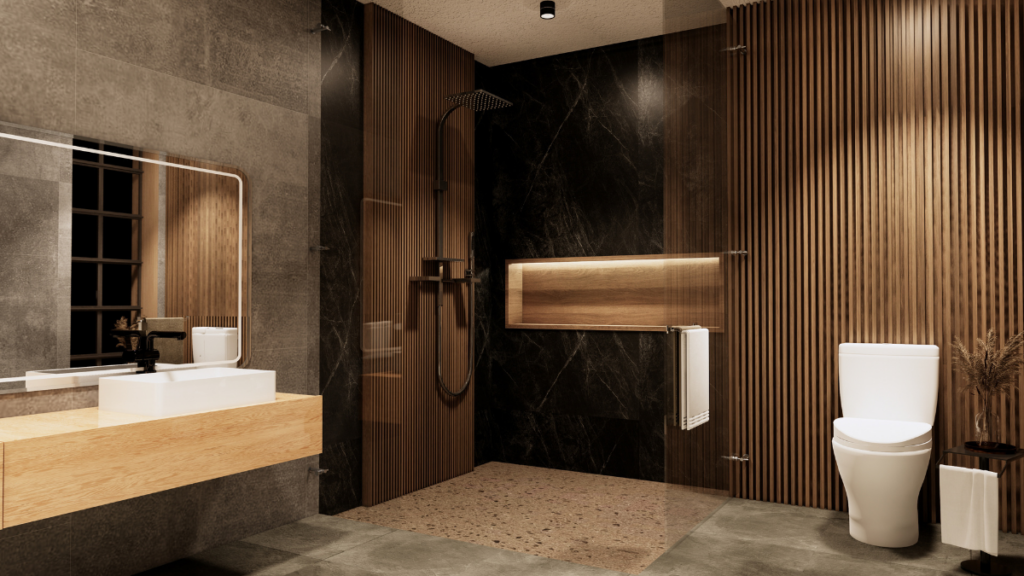
Types of Waterproofing Materials
Different materials are used, but the number of Bathroom waterproofing coats still matters more than the product alone.
Cement-Based Waterproofing
- Most commonly used
- Cost-effective
Liquid Membrane
- Flexible
- Applied like paint
Advanced Chemical Coatings
- High durability
- Used for premium projects
Step-by-Step Waterproofing Process
Here is how professionals properly apply Bathroom waterproofing coats:
Step 1: Surface Cleaning
Remove dust, oil, and loose particles.
Step 2: Crack Filling
Repair any visible cracks.
Step 3: Primer Application
Improves bonding.
Step 4: First Coat Application
Evenly applied across all surfaces.
Step 5: Drying Time
Allow proper curing.
Step 6: Second Coat Application
Applied in opposite direction for full coverage.
Step 7: Third Coat (Optional)
Adds strength and durability.
Step 8: Water Testing
Check for leakage before tiling.
Skipping steps or reducing Bathroom waterproofing coats leads to long-term problems.
Common Waterproofing Mistakes
From real cases handled by Floor Collections, these are the most common mistakes:
Only One Coat
Not enough protection.
No Drying Time
Weak bonding.
Ignoring Corners
Most leakage happens here.
Waterproofing After Tiling
Too late to fix.
Proper number of Bathroom waterproofing coats is critical.
Waterproofing vs Tiles: What You Should Know
Many people think tiles stop water. That’s not accurate.
Even high-quality:
- Bathroom wall and floor tile
- Premium floor and wall tile
Water can still pass through:
- Grout lines
- Tile joints
This is why Bathroom waterproofing coats are essential below tiles.
Connection with Bathroom Fittings
Water leakage can damage:
- Pipes
- CP bathroom fittings in Kerala
- Other bathroom fittings
Proper Bathroom waterproofing coats protect not just walls and floors, but also your fittings.
Waterproofing Cost in Palakkad
Cost depends on:
- Material
- Area
- Number of Bathroom waterproofing coats
Reducing coats may save money initially, but increases repair cost later
Choosing the Right Tiles and Materials
Waterproofing works best when combined with quality materials like:
- Floor tiles in Palakkad
- Reliable Tiles dealers in Palakkad
- Durable sanitary ware and bath fittings
Experts at Floor Collections recommend selecting both waterproofing and materials together for best results.
How to Check Waterproofing Quality
Before tiling, ensure:
- Even coating
- No cracks
- Proper coverage
- Successful water test
If not, your Bathroom waterproofing coats may not be effective.
Frequently Asked Questions
Is one coat enough?
No. At least 2 Bathroom waterproofing coats are required.
Is three coats necessary?
Not mandatory, but recommended for durability.
How long does waterproofing last?
With proper Bathroom waterproofing coats, it can last 8–15 years.
Can tiles replace waterproofing?
No. Tiles alone cannot stop water leakage.
Final Thoughts
Bathroom waterproofing is not something to compromise on. It is the foundation of a strong, long-lasting bathroom.
Always remember:
- Minimum → 2 Bathroom waterproofing coats
- Recommended → 3 coats for Kerala conditions
Combine this with:
- Quality Bathroom wall and floor tile
- Trusted Bathroom fittings in Kerala
- Reliable sanitary ware and bath fittings
And take expert guidance from trusted providers like Floor Collections.