Tiles are one of the most important finishing elements in any home. They define the look, feel, and overall quality of your space. But what many people don’t realize is that the real strength of tiles depends not just on the tile itself, but on how it is fixed.
For years, the traditional cement method has been widely used in Kerala. It is familiar, easily available, and many workers are comfortable using it. However, with changing construction trends and modern tile designs, tile adhesive has become a preferred choice for better performance and durability.
This blog will help you clearly understand what tile adhesive is, how it compares with cement, and why it is becoming the standard option for today’s homes.
What is Tile Adhesive?
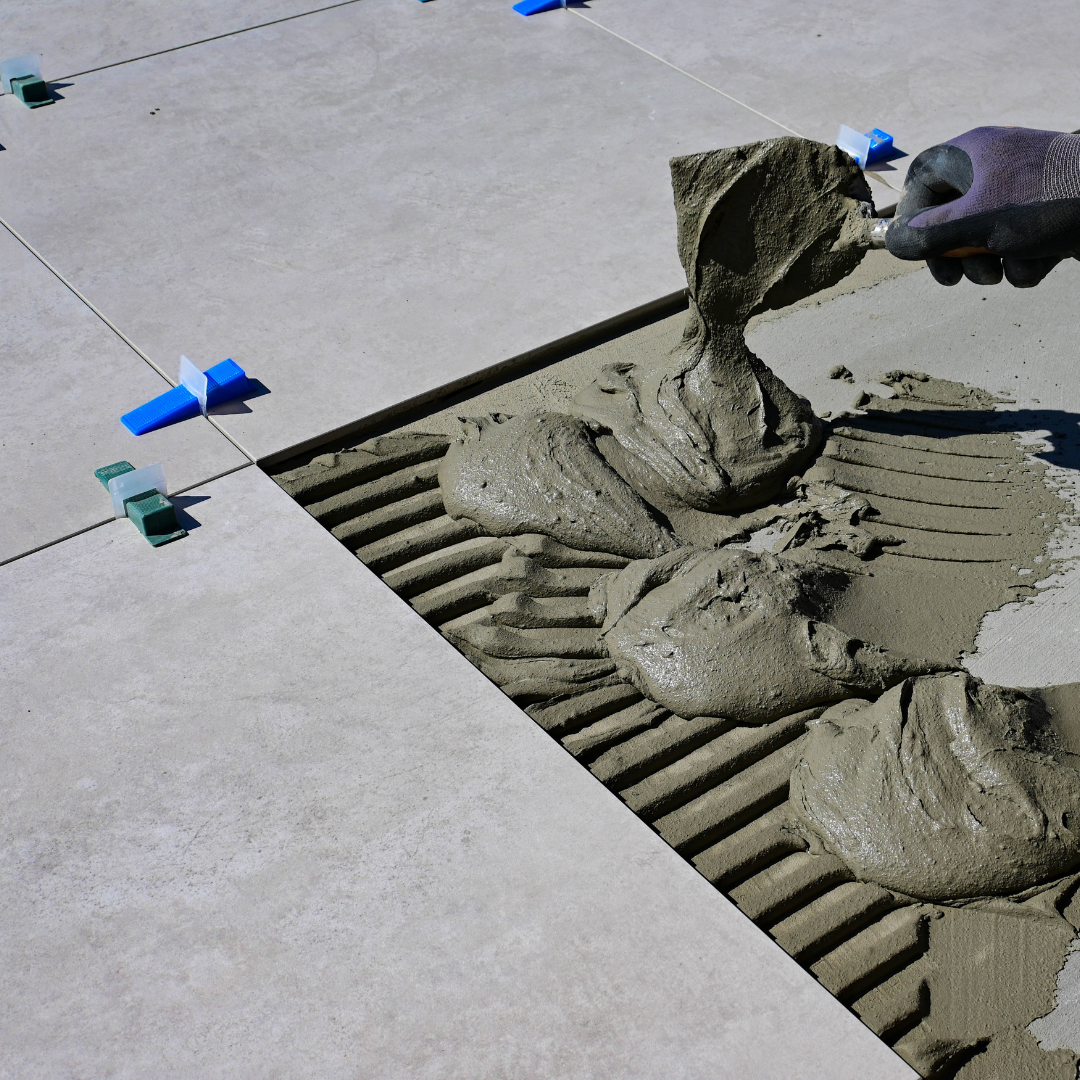
Tile adhesive is a specially designed bonding material used for fixing tiles on floors and walls. It comes in a ready-mix powder form and only requires water before application. Unlike traditional cement, it is formulated with advanced additives that improve bonding strength, flexibility, and resistance to moisture.
The main advantage of using tile adhesive is that it provides a strong and reliable grip between the tile and the surface. It spreads evenly, ensuring that there are no air gaps or weak spots underneath the tile.
Because of these properties, tile adhesive is widely used in modern construction, especially for large-format tiles, vitrified tiles, and designer finishes.
Why Tile Fixing Method Matters
Many homeowners focus only on choosing the right tile design, color, and size. But even the best tile can fail if the fixing method is not suitable.
Improper fixing can lead to:
- Tiles coming loose
- Cracks appearing on the surface
- Hollow sound while walking
- Water leakage in bathrooms
This is why selecting the right method, such as tile adhesive, plays a crucial role in ensuring long-lasting results.
Traditional Cement Method Explained
The cement method involves mixing cement and sand manually at the site and applying it before placing the tiles. This method has been followed for many years and is still widely used in many places.
However, cement is a general construction material and not specifically designed for tile fixing. The quality of the result depends heavily on the worker’s skill, mixing ratio, and application technique.
While cement may still work for basic applications, it does not always meet the requirements of modern tiles.
Tile Adhesive vs Cement: Understanding the Difference
Even though both methods are used for fixing tiles, their performance differs significantly.
- Bonding Strength
Tile adhesive offers stronger and more uniform bonding. It ensures that the entire tile surface is properly attached to the base.
Cement bonding can be uneven if not mixed or applied correctly, which may lead to weak spots.
- Durability
Tiles fixed with tile adhesive are less likely to develop cracks or come loose over time. It provides long-term stability even in high-traffic areas.
Cement installations may face issues like tile lifting or hollow sounds after a few years.
- Flexibility
Buildings slightly expand and shrink with changes in temperature. Tile adhesive has slight flexibility, allowing it to adjust to these movements.
Cement is rigid, which makes it more prone to cracking under stress.
- Water Resistance
In areas like bathrooms and kitchens, moisture is always present. Tile adhesive offers better resistance to water, reducing the chances of seepage.
Cement can absorb moisture if not properly cured, which may lead to long-term issues.
- Ease of Application
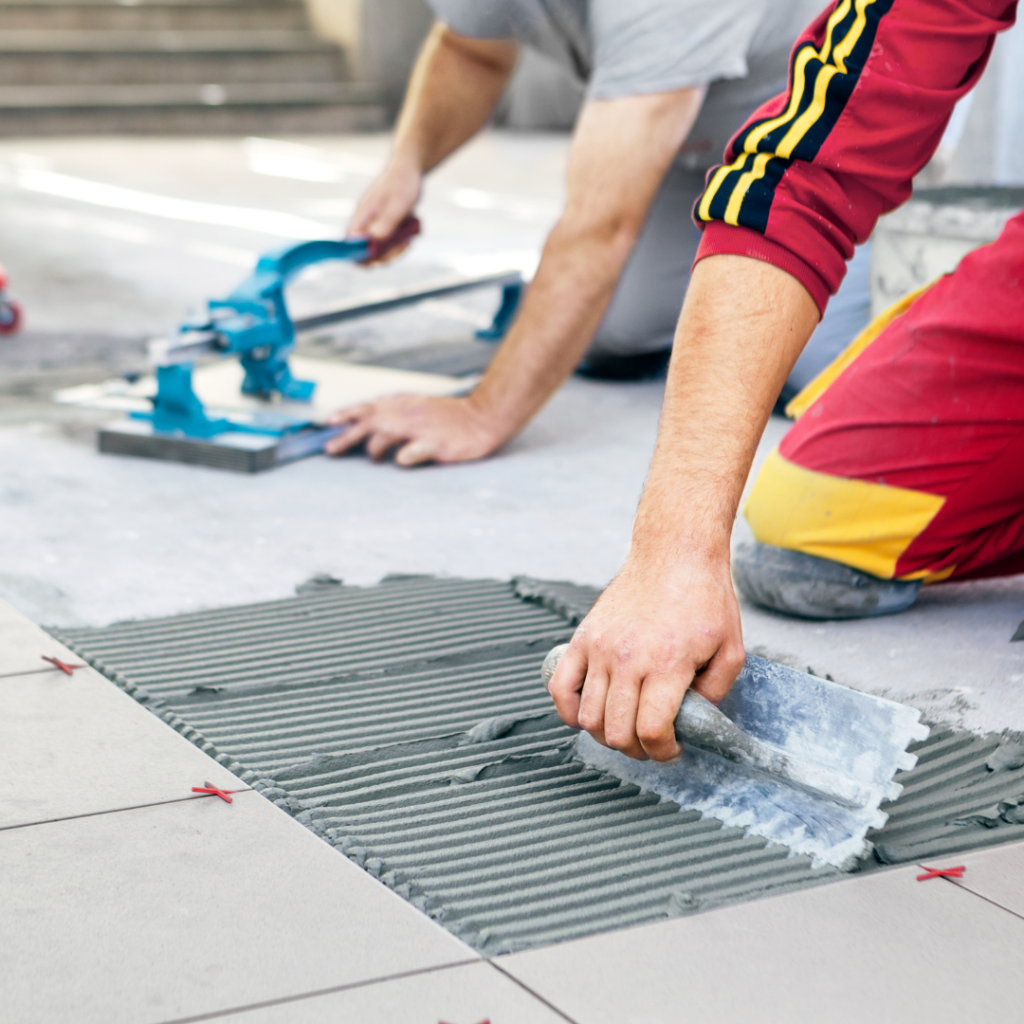
Workers can apply tile adhesive more easily and achieve a consistent finish. It requires less effort and reduces the chances of errors.
Cement application is more labor-intensive and depends heavily on manual skill.
Where Tile Adhesive Works Best
Tile adhesive can be used for many different applications, such as:
- Wall tiles
- Bathroom and kitchen tiles
- Large-format tiles
- Vitrified and porcelain tiles
- Tile-on-tile renovation work
In these situations, tile adhesive ensures better bonding, durability, and finish compared to traditional methods.
Where Cement Can Still Be Used
Although tile adhesive is widely recommended, cement is still used in some cases, such as:
- Basic flooring in low-budget projects
- Outdoor rough areas
- Temporary constructions
However, even in these cases, proper workmanship is essential to avoid problems.
Common Problems with Cement Method
Many homeowners who use cement without proper knowledge face issues later. These include:
- Tiles becoming loose
- Surface cracks
- Uneven finishing
- Water leakage
These problems often occur because cement does not provide the same level of bonding as tile adhesive.
Cost Comparison: Short-Term vs Long-Term
One of the main reasons people choose cement is the lower initial cost. But this can be misleading.
While tile adhesive may cost slightly more at the beginning, it reduces the need for repairs and maintenance. Over time, this makes it a more cost-effective option.
Investing in tile adhesive can help avoid future expenses related to tile damage and replacement.
Kerala Climate and Its Impact
Kerala’s climate includes high humidity, heavy rainfall, and temperature variations. These conditions can affect tile performance.
Tile adhesive performs better in such environments because it resists moisture and provides strong bonding. It helps maintain the stability of tiles even in challenging conditions.
Importance of Skilled Application
Even the best materials need proper handling. While tile adhesive simplifies the process, it is still important to follow correct application methods.
- Surface should be clean and level
- Proper mixing ratio should be followed
- Adequate curing time should be given
Using skilled workers along with quality tile adhesive ensures the best results.
Why Choose Floor Collections?
At Floor Collections, we understand that choosing tiles is only part of the process. Proper installation plays an equally important role.
Our team provides expert guidance on using tile adhesive based on your specific needs. We help customers choose the right materials for long-lasting performance.
We offer:
- Premium tile collections
- Quality sanitaryware
- Trusted brands
- Expert consultation
With years of experience in the industry, Floor Collections has become a trusted name for tiles and bathroom solutions in Kerala.
Modern Trends in Tile Installation
Today, construction practices are evolving. Large tiles, seamless designs, and minimal joints are becoming popular.
These modern trends require advanced materials like tile adhesive to ensure proper installation. Traditional methods may not deliver the same level of precision and durability.
Environmental and Practical Benefits
Using tile adhesive also has practical advantages:
- Less material wastage
- Cleaner worksite
- Faster installation
- Better finish
These factors make it a convenient choice for both homeowners and workers.
Final Verdict
For most modern homes, tile adhesive is the better option. It offers:
✔ Stronger bonding
✔ Better durability
✔ Improved water resistance
✔ Suitable for modern tiles
Cement still has limited use, but it is no longer the preferred choice for most interior tile work.
Conclusion
Choosing the right fixing material is essential for the long-term performance of your tiles. While cement has been used for years, modern construction demands better solutions.
With its superior bonding strength, durability, and ease of use, tile adhesive has become the standard choice for today’s homes.
If you are planning your next project, consider using tile adhesive for better results and fewer future problems.
For expert advice and premium products, visit Floor Collections and make a confident choice for your home.